Fuel filters help remove particulate contaminants from fuel before they reach the engine. Some diesel fuel filters also separate water from fuel. When a filter becomes clogged, its housing is damaged, or its seals fail, fuel flow may be restricted or leakage may occur. Recognizing the possible symptoms can help identify when the fuel system needs inspection.
A severely clogged fuel filter can restrict fuel flow and make the engine difficult to start. In some cases, the engine may fail to start altogether. However, fuel pump problems, air entering the fuel lines, low fuel pressure, and electrical faults can cause similar symptoms.
When a clogged fuel filter restricts the fuel supply, the engine may struggle to deliver the required power during acceleration, climbing, or heavy-load operation. Power may also drop intermittently. If these symptoms persist, the filter and other fuel system components should be inspected.
An irregular fuel supply may contribute to unstable engine operation, including rough idling, fluctuating engine speed, or noticeable vibration. These symptoms can also result from faulty injectors, intake system problems, or other engine issues, so further diagnosis is necessary.
Severe fuel restriction or an interruption in fuel delivery may cause the engine to stall at idle or during operation. Repeated stalling requires prompt inspection of the fuel supply system. The fuel filter should not be assumed to be the cause without further checks.
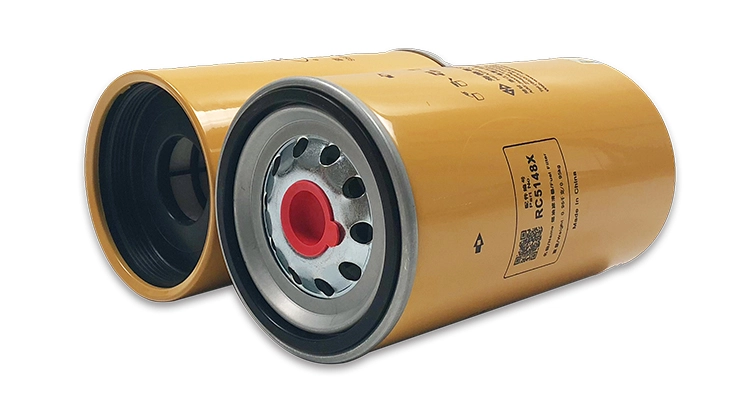
Some vehicles and diesel equipment have fuel filter service indicators or water-in-fuel warnings. When a warning appears, consult the equipment manual to determine its meaning and check the filter, water separator, or relevant sensors as required. A water-in-fuel warning applies only to systems equipped with the corresponding detection feature and does not necessarily indicate a clogged filter.
A damaged filter housing, worn seal, or improperly fitted connection may cause fuel to leak. If leakage is detected, stop operating the equipment and arrange for prompt repair. The housing, seals, and fuel line connections should be inspected. Avoid checking for leaks while the engine is running or when ignition hazards are present.
If the check engine light comes on alongside hard starting, reduced power, or other operating problems, the fuel system may need to be inspected. However, the light is not specific to fuel filter failure. Diagnostic trouble codes and appropriate system tests are needed to identify the underlying cause.
A clogged or damaged fuel filter can affect fuel delivery, but hard starting, power loss, rough idling, and stalling can also have other causes. Checking maintenance records, diagnostic codes, and the fuel system helps identify the actual problem and avoid unnecessary part replacement.