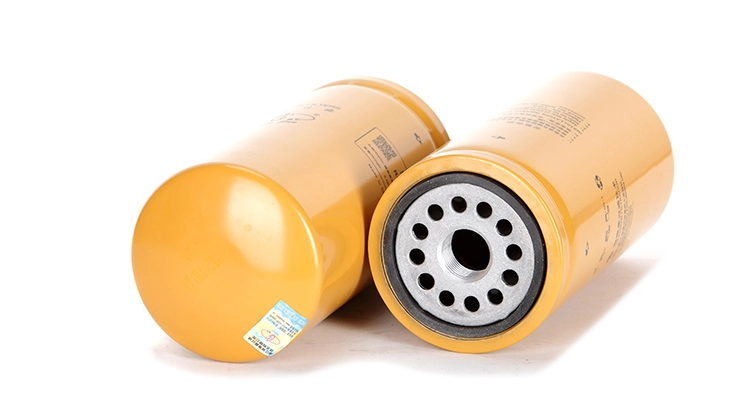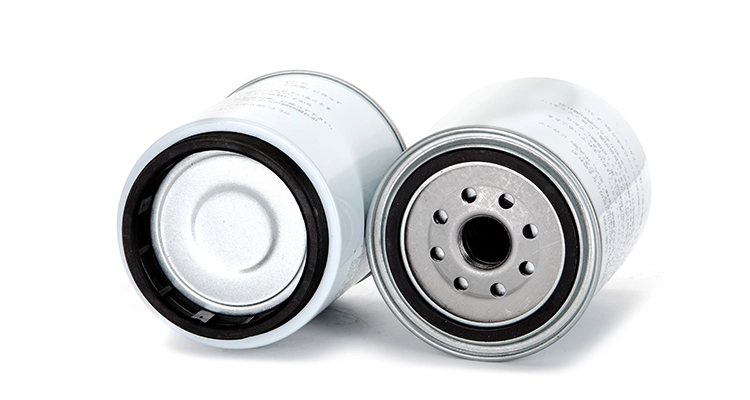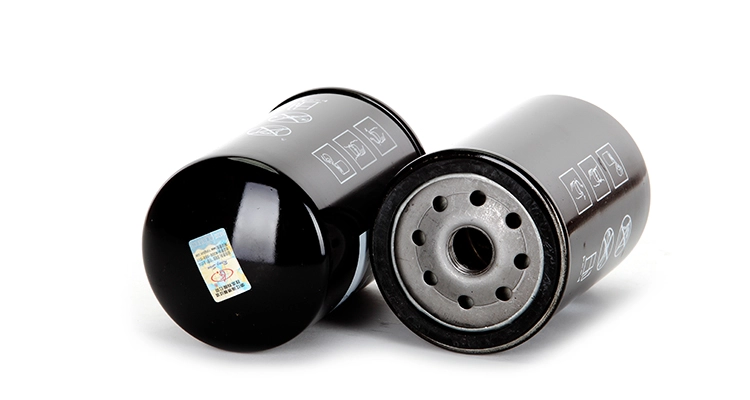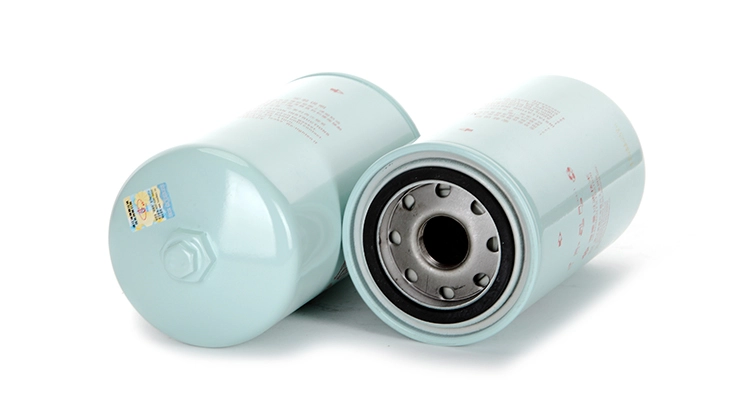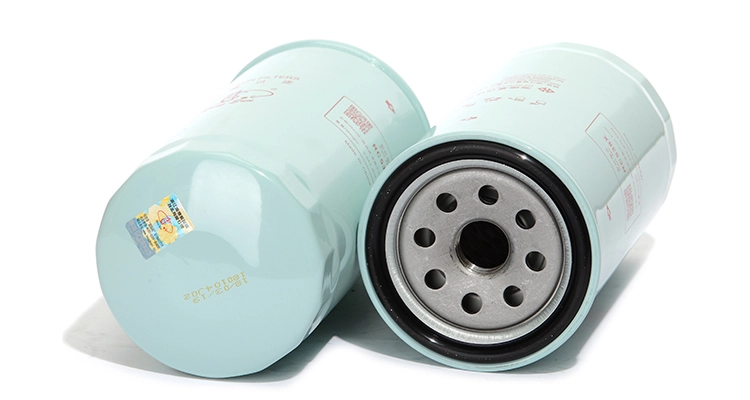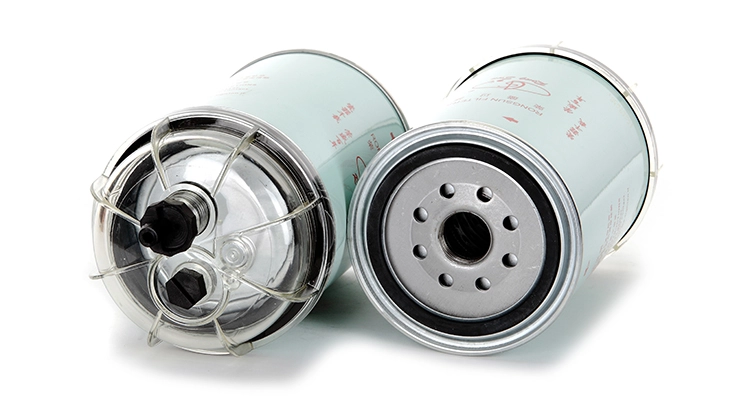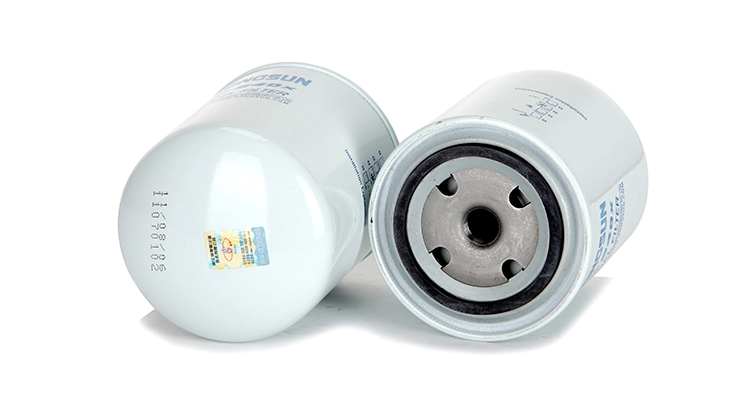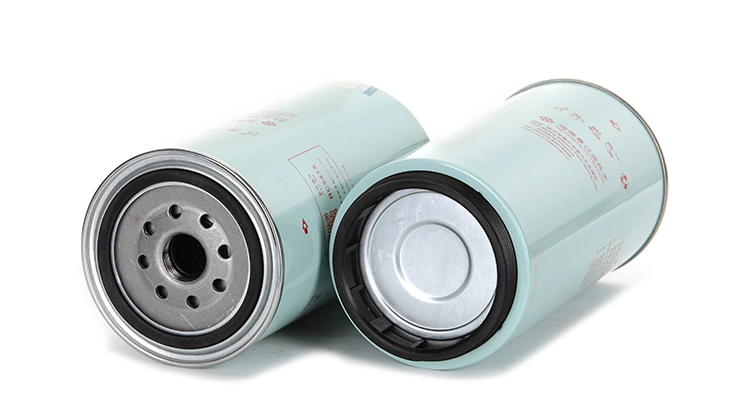
Enter your filter reference.
We will offer you a compatible reference from our range.
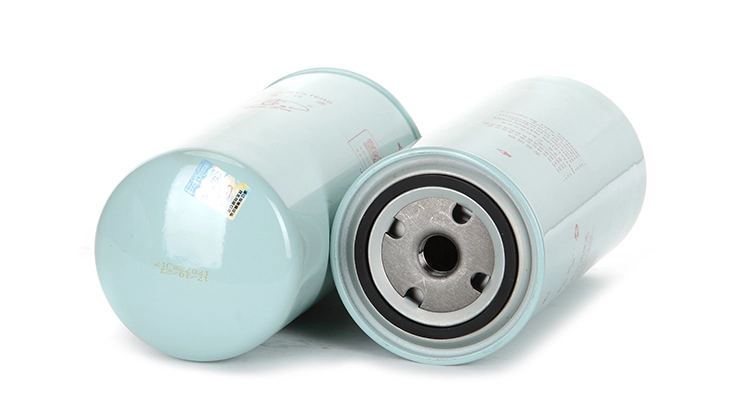
OEM NO.: FF5324 / FF5815 / P551315 / BF7632 / 1R0751 / 1R0759 / FF5321 / BF-2613
Compatible Models: 3166
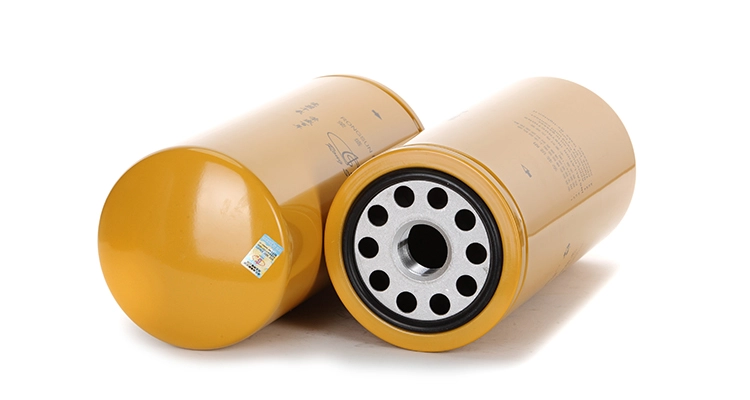
OEM NO.: FS19687 / FS1287 / P550730 / P551057 / P559110 / R60T / FS1287 / FS19330 / P551329 / R60P / FS1616 / EK1039
Compatible Models: ZSE6030
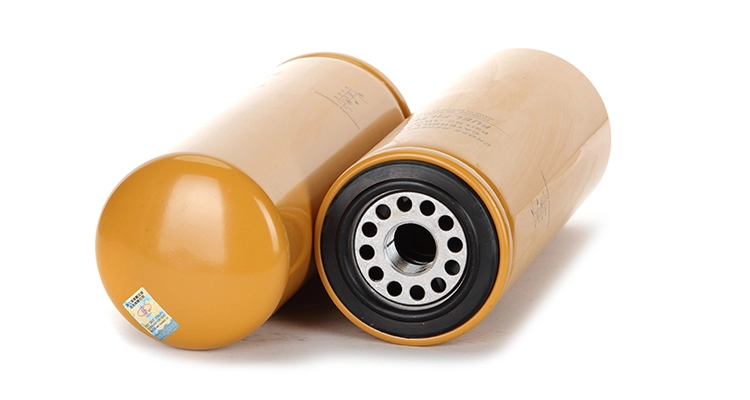
OEM NO.: FF5304 / P550410 / 6003118222 / 6136716120
Compatible Models:
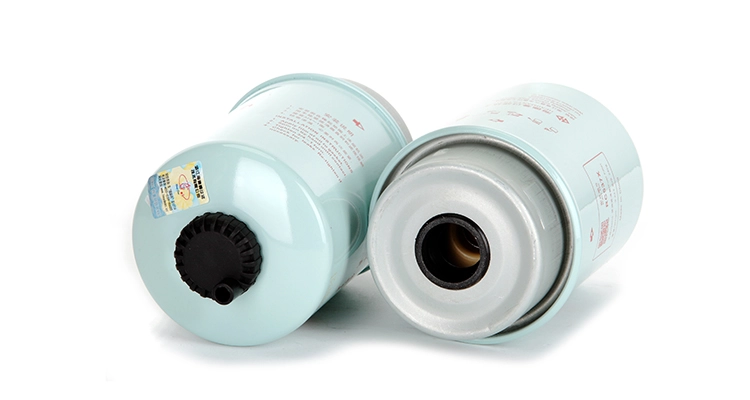
OEM NO.: FF232 / P557440 / 6003118391 / 6003119121 / 4S00247 / 4192631 / 3256220300E / 1P2299 / 1R0711 / 1P2999...
Compatible Models: ZX330 / ZX330-3G / ZX350H-3G / ZX350K / ZX360-3G / ZX360-5G / ZX360LC
OEM NO.: FF5272 / P550372 / BF7644 / 1182672 / 8193841 / WK962/7 / 1182672 / 20805349 / 4110000727162 / 14403813...
Compatible Models: DEUTZ BF4 / 6M1013
OEM NO.: FF5317 / P551316 / FC-5510 / BF7639 / 1R-0755 / 1R-0715 / 8N3080 / 40082610 / 1138061
Compatible Models: D11R / D10T
OEM NO.: FF5264 / P551712 / FC-5519 / BF614 / 1R0712
Compatible Models: CAT 360KW / 245 / 245B
OEM NO.: FS19555 / P550502 / BF7679-D / 1174089
Compatible Models: 320B-1XS1 / 312C-CBA01201
OEM NO.: R010074 / FC-28030 / 31945-84000 / 31940-84000
Compatible Models: ROBEX 215-7
OEM NO.: FS19532 / FS19932 / P551067 / P550730 / BF1329 / 11LB20310 / 23514654 / 8159975 / BTC3101535 / 1393640...
Compatible Models: Y65C / LISHIDE SC5030 Cummins Engine / LIEBHERR R944CLC / PENGPU SW460 / HYUNDAI R110VS/R130VS Mitsubishi D04FRC-TAA Engine
OEM NO.: FF5645 / P550662 / FC-71100 / BF7883 / 11708555
Compatible Models: L120E / L90E / EC240B
OEM NO.: FS19753 / FS19736 / P505957 / P559118 / P559115 / SFC-7101-2 / BF1358-SP / 11110668 / 11110474 / 11110189...
Compatible Models: D7DLAE2 / D4DCBE1
We are a fuel filters manufacturer based in China, supplying OEM programs, aftermarket distributors and equipment makers directly from our own factory. Production runs on a 31,000 m² site with nearly 30 years of manufacturing experience, an annual output above 10 million pieces and more than 3,000 product models, shipped to customers in 28 countries.
Our range covers diesel and gasoline applications for vehicles, trucks and construction equipment, and almost all of it is spin-on: a self-contained filter that threads onto the filter head and is replaced as one unit.
Fuel leaves the refinery clean, but it does not reach the engine that way. It passes through storage tanks, tankers, drums and vehicle tanks, and picks up contamination at every step. A fuel filter is the last line of defense between that contamination.
Dirt, rust and scale come from storage tanks, fuel lines and the vehicle tank itself. Hard particles wear pump and injector surfaces and can make injector needles stick.
Condensation inside tanks and contaminated supply put free and emulsified water into the fuel. Water corrodes metal parts, weakens lubrication in the injection system and can freeze in cold weather.
In diesel, microorganisms can grow where fuel meets water. They form a slime that blocks filter media and flow passages, and the filter is often where the problem shows up first.
Diesel contains paraffin wax that thickens and crystallizes as temperatures fall. The crystals can clog the filter media and starve the engine of fuel at start-up.
Modern common-rail diesel injectors work at very high pressure with extremely small clearances, so even tiny hard particles cause erosion and sticking. Gasoline injectors are less sensitive but still depend on clean fuel to maintain proper spray patterns. Replacing a damaged injector or pump costs far more than the filter that would have protected it. Systems that require dedicated water removal use a fuel water separator, which we cover in our Fuel Water Separators category.
Follow the animated diagram from left to right. Dirty fuel leaves the tank, loses its larger contaminants and free water at the primary filter, is moved on by the lift pump, and is finished by the secondary filter before it reaches the injection system.
Many light vehicles use a single filter that combines both functions, which depends on how the system was designed.
Position: between the tank and the lift pump, on the suction side.
Job: catches larger particles and, in many designs, separates free water. It protects the lift pump and takes the heavy contamination load off the secondary filter.
Design focus: coarser media that flows easily at low suction pressure, high contaminant capacity and provision for water handling.
Position: after the lift pump, ahead of the high-pressure pump and injectors.
Job: removes the fine particles that do the most damage to precision components. It is the final protection for the injection system.
Design focus: finer, more uniform media, a construction that withstands pressure pulses and a seal that stays tight.
A spin-on fuel filter packs the media, a perforated center tube, bonded end caps, a sealing gasket and a threaded base plate into one steel canister. When comparing suppliers, the details worth checking are:
Thread accuracy. The thread must match the filter head exactly to seat and seal.
Gasket material. It has to be compatible with the fuel, including biodiesel blends.
Canister strength. Burst strength and seam quality decide how well it handles pressure pulses and vibration.
End-cap bond. A complete bond forces all fuel through the media instead of around it.
Media consistency. Evenly spaced pleats give predictable flow and capacity from batch to batch.
This range is organized around the 3 applications our customers ask about most.
What matters most: filtration fineness, water handling and cold-weather flow.
What matters most: sealing, consistent flow and compatibility with ethanol blends.
What matters most: contaminant capacity, a rugged canister and a secure end-cap bond.
Drivers and workshops rarely see the filter itself. They see symptoms. The table below links common symptoms to filter-related causes and shows which design features help prevent them. Other faults can produce the same symptoms, so use it as a starting point rather than a diagnosis.
| Symptom | Common filter-related cause | How filter design helps |
|---|---|---|
| Hard starting or long cranking | A restricted filter limits flow, or a poor seal lets air into the line. | Adequate media area and a tight gasket and thread seal. |
| Loss of power under load | Contamination restricts the filter and the engine is starved of fuel when demand is highest. | Enough media area and contaminant capacity for the service interval. |
| Rough idle, hesitation or misfire | Dirt reaching the injectors, or an intermittent restriction in the filter. | Fine, uniform media that keeps particles out consistently. |
| Water warning or corrosion in injection parts | Water is passing through the system and is not being removed. | Water-handling design in the filter or a dedicated fuel water separator. |
| Filter clogging quickly, especially in cold weather | Wax crystals, microbial slime or heavy contamination loading the media. | Suitable capacity, plus winter-grade fuel or heating where the system is equipped for it. |
| Fuel smell or leak at the filter head | A damaged or wrong gasket, mismatched thread or over-tightening. | Accurate thread, correct gasket size and fuel-compatible gasket material. |
Approved specifications are locked for repeat orders, and your engineers deal directly with ours.
Customers work with us in 3 main ways.
Fuel filters made to your drawing and specification, for first-fit, service-parts or branded programs, built and inspected in our own factory.
Replacement filters cross-referenced to OE and major aftermarket part numbers, for distributors and workshop chains.
Your brand on the canister, label and carton, built on proven models from the existing range of 3,000+ models.
Tell us the models, volumes and branding you have in mind, and our team will come back with matching fuel filters, samples and a quotation.
Request a Quote|
1
|
Are you a real manufacturer?Yes. Our fuel filters are made on our own 31,000 m² site in China, with nearly 30 years of manufacturing experience behind the process. Annual output exceeds 10 million pieces, so each model is built repeatedly on settled processes instead of being improvised for each order. |
|
2
|
How is quality managed?Our quality management system is certified to ISO 9001:2015 (GB/T 19001-2016), which means purchasing, production, inspection and corrective action follow documented procedures that are audited. Whichever supplier you choose, order samples first and check fit, sealing and performance on your own equipment. |
|
3
|
Can you build to our drawings and specifications?Yes. We manufacture to OEM drawings and specifications, and approved specifications are locked for repeat orders. Your engineers can discuss materials, thread, gasket and canister details directly with ours. |
|
4
|
Does your range cover our model list?With more than 3,000 product models, most requests can be matched to an existing model. We cross-reference to OE and major aftermarket part numbers, and we customize thread, dimensions, paint, packaging and branding where a standard model does not fit. |
|
5
|
Are you used to exporting?We supply customers in 28 countries, so packaging, labeling and shipping requirements for different markets are familiar ground rather than a new problem for each customer. |