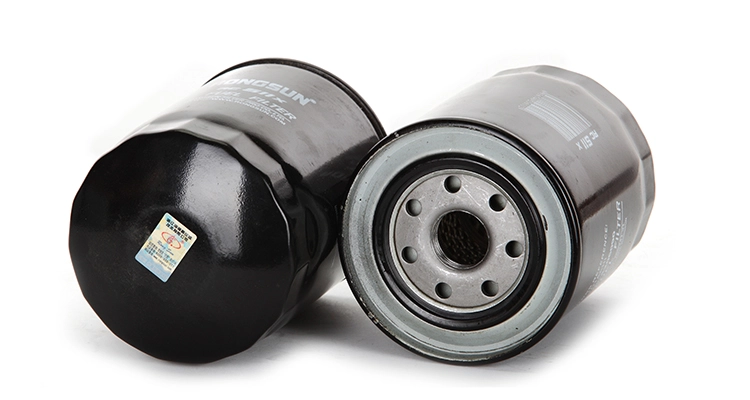
As fuel travels from the tank to the engine, it may carry dust, rust, moisture, and other contaminants. Fuel filters trap these impurities and help prevent them from reaching sensitive components such as fuel pumps and injectors.
As contaminants accumulate in the filter media, resistance to fuel flow gradually increases. Severe clogging can restrict fuel supply, leading to reduced engine power, hard starting, or unstable engine operation.
Fuel can pick up dust, sand, and other solid particles during transportation, storage, and refueling. These contaminants are trapped by the filter media as fuel passes through the system. If contaminated fuel continues to enter the system, a fuel filter may reach its dirt-holding capacity sooner than expected and become clogged.
Over time, corrosion inside metal fuel tanks can produce rust particles. Dirt, sludge, and other deposits may also accumulate at the bottom of the tank or inside fuel lines. As fuel circulates, these contaminants can enter the filters and increase the load on the filter media.
If replacement filters become clogged again after a short period, the fuel tank and lines should also be inspected for contamination sources.
Water can enter the fuel tank during transportation, storage, or refueling. In diesel systems, accumulated water can also create conditions that support microbial growth.
Microorganisms and their byproducts may form sludge that adheres to the filter media and restricts fuel flow. Diesel equipment therefore requires particular attention to water accumulation and fuel-water separation.
Fuel stored for extended periods or under unsuitable conditions may oxidize and form gums and deposits. These substances can accumulate on the filter media and increase flow resistance.
In addition, improper additive use or incompatibility between additives and other fuel components may contribute to deposit formation. Always follow additive instructions and equipment manufacturer recommendations.
At low temperatures, paraffin in diesel fuel can form wax crystals. These crystals are trapped by diesel fuel filters and, when they accumulate, can restrict fuel flow and affect engine starting and operation.
Free water in fuel may also freeze at low temperatures. The resulting ice crystals can obstruct the filter or restrict fuel passages. Although both conditions can cause fuel delivery problems in cold weather, they occur through different mechanisms.
Fuel filters have a limited dirt-holding capacity. If a filter is not replaced when required, accumulated contaminants can restrict fuel flow and increase pressure drop across the filter.
Fuel quality, operating conditions, and the working environment all affect filter service life. Follow the equipment manufacturer's recommended replacement intervals and inspect filters according to actual operating conditions.
Different engines have specific requirements for fuel filter efficiency and flow capacity. Using filters with unsuitable specifications may create excessive flow resistance or fail to remove contaminants effectively.
Poor-quality filter media, construction, or manufacturing can also affect filtration performance. Incorrect installation or damaged seals may cause leaks, air ingress, or unfiltered fuel to bypass the filter. These issues do not necessarily mean the filters are clogged, but they can still affect fuel system reliability.
When clogged filters restrict fuel delivery, the engine may show several warning signs:
These symptoms can also result from fuel pump problems, injector faults, or restricted fuel lines. Clogged fuel filters should not be diagnosed based on symptoms alone. Inspect the filters and, when necessary, check fuel pressure or flow according to the equipment manufacturer's procedures.
| Maintenance Focus | Recommended Practice |
|---|---|
| Fuel quality | Purchase fuel from reliable suppliers and avoid contaminated fuel |
| Fuel tank cleanliness | Inspect the tank regularly and remove accumulated water, rust, and sediment |
| Fuel storage | Keep storage containers clean and sealed to reduce contamination |
| Filter replacement | Follow the equipment manufacturer's recommended service intervals and inspect filters according to operating conditions |
| Filter compatibility | Check the filter model, filtration rating, and flow requirements |
| Cold-weather protection | Use diesel fuel suitable for the ambient temperature and take appropriate cold-weather precautions |
Fuel contamination, tank deposits, moisture, fuel degradation, and delayed filter replacement can all contribute to fuel filter clogging. Diesel equipment also requires attention to microbial contamination, low-temperature waxing, and water freezing.
If replacement filters become clogged repeatedly, inspect the fuel tank, lines, and storage conditions to identify the source of contamination. Keeping fuel clean and following a regular maintenance schedule can help reduce clogging and maintain a reliable fuel supply to the engine.